MSHA Compliant Blast Bag for Permitted Explosive Use
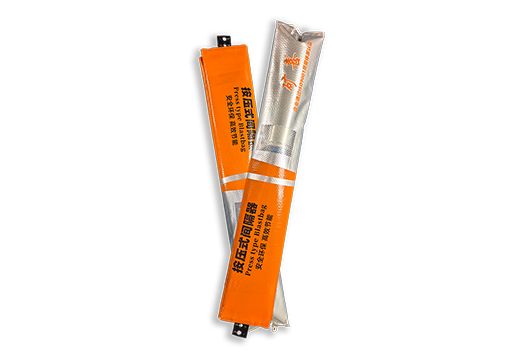
When working in regulated mining and quarry environments, safety, compliance, and operational reliability are non-negotiable.
An MSHA compliant blast bag for permitted explosive use is designed to support controlled blasting operations while helping teams align with safety expectations in underground or restricted work areas.
For operators, contractors, engineers, and procurement teams, understanding what these blast bags are, how they are used, and what specifications matter can improve both site planning and search visibility for industry-related content.
This page provides a comprehensive, original, SEO-friendly overview of the MSHA compliant blast bag for permitted explosive use, including definitions, core benefits, common materials, functional features, technical considerations, application scenarios, specification tables, and compliance-related guidance.
The content below is written for direct use in blog posts, category pages, product education pages, and industry resource pages.
What Is an MSHA Compliant Blast Bag for Permitted Explosive Use?
A blast bag is a protective containment or support accessory used in blasting environments to help manage explosive materials, protect equipment, support explosive handling, or assist in the safe storage and transport of permitted explosive components.
In mining, tunneling, and other controlled extraction environments, a blast bag may be used as part of a broader explosive management system.
The phrase MSHA compliant refers to alignment with safety expectations associated with the U.S. Mine Safety and Health Administration (MSHA).
While exact compliance depends on the application, material, labeling, handling, and site-specific use, the term generally indicates that the blast bag is intended for use in regulated mining environments where safety and permissible explosive handling practices are critical.
The phrase permitted explosive use typically refers to explosive products or accessories that are approved for use under the site’s regulatory framework, local laws, and mine-specific safety procedures.
An MSHA compliant blast bag for permitted explosive use is therefore a specialized utility bag or containment solution designed for the controlled handling of materials used in blasting operations.
Why MSHA Compliance Matters in Blast Bag Selection
In mining and blasting operations, compliance is not just a checkbox. It affects worker protection, operational continuity, equipment integrity, and legal responsibility.
Choosing an MSHA compliant blast bag for permitted explosive use helps operators reduce risk and support best practices in explosive handling environments.
MSHA-oriented selection is important because blasting environments may involve:
A properly specified blast bag helps support these requirements while improving the organization and safety of permitted explosive workflows.
Common Uses of Blast Bags in Permitted Explosive Operations
Blast bags can be used in multiple operational contexts depending on site design and blasting procedures.
Their role may include holding, protecting, organizing, or moving blasting-related components in a way that supports safe execution.
| Transporting permitted explosive accessories and related components |
| Improved organization and controlled handling |
| Storing or staging blasting materials in designated areas |
| Cleaner workflow and reduced material exposure |
| Supporting compact explosive logistics in restricted spaces |
| Space efficiency and easier movement |
| Containing permitted blasting accessories during preparation |
| More efficient site-level organization |
| Blasting support services |
| Handling non-detonating support items associated with blasting |
| Workflow consistency and better inventory control |
Key Benefits of an MSHA Compliant Blast Bag for Permitted Explosive Use
The benefits of a blast bag designed for regulated explosive environments extend beyond simple storage.
The right design can improve safety, durability, and efficiency across the entire blasting cycle.
1. Improved Safety
A compliant blast bag can help isolate explosive-related items from dirt, moisture, and physical damage.
This helps minimize unnecessary exposure and supports safer handling practices.
2. Better Organization
Explosive-related operations often involve many small components.
A properly designed bag keeps items grouped, labeled, and easier to access, reducing confusion during job setup.
3. Durable Performance
Mining and blasting sites are harsh environments.
A high-quality blast bag is typically engineered for abrasion resistance, load stability, and long service life under demanding conditions.
4. Compliance Support
A product positioned as an MSHA compliant blast bag for permitted explosive use helps procurement and operations teams identify equipment intended for regulated work environments.
5. Moisture and Dust Protection
Blast bags often help shield contents from environmental contamination.
This is especially important in underground or outdoor settings where dust, rain, or condensation can affect material condition.
6. Workflow Efficiency
By standardizing storage and transport, blast bags can reduce preparation time and improve the speed of repetitive blasting tasks.
Typical Materials Used in Blast Bag Construction
The material selection of a blast bag affects strength, flexibility, weight, and environmental resistance.
For permitted explosive use, materials are generally chosen to support rugged handling and long-term field performance.
| Breathable, rugged, flexible |
| Good durability and easy handling |
| High tensile strength, abrasion resistant |
| Long service life and strong wear resistance |
| Water resistant, easy to clean |
| Excellent moisture protection |
| Polyester webbing reinforced fabric |
| Strengthened seams and load-bearing capacity |
| Better structural stability |
| Anti-static treated textile |
| Designed to reduce static buildup |
| Useful in sensitive operational environments |
Depending on operational requirements, a blast bag may combine multiple materials.
For example, the body may be made of coated fabric while the handles and stress points use reinforced webbing.
Important Design Features to Look For
Not all blast bags are built the same.
The most practical MSHA-focused options usually include features that support safety, durability, and ease of use.
| Improves seam strength under load |
| Helps keep contents contained during transport |
| Safe explosive handling bag |
| Wear-resistant outer layer |
| Resists abrasion in rough environments |
| Durable blast bag for mining |
| Moisture-resistant coating |
| Protects contents from damp conditions |
| Water-resistant explosive bag |
| Supports identification and site compliance procedures |
| MSHA compliant explosive storage |
| Helps reduce strain during carrying |
| Blast bag for permitted explosive use |
| Supports safer handling in sensitive applications |
| Improves recognition in low-light environments |
Suggested Technical Specifications Table
The table below shows common industry-style specifications that may be used to describe an MSHA compliant blast bag for permitted explosive use.
Actual product requirements will vary by application, mine policy, and regulatory interpretation.
| Utility bag, containment bag, transport bag |
| Canvas, nylon, PVC-coated fabric, reinforced textile |
| Selected for durability and environmental resistance |
| Small, medium, large, custom |
| Based on explosive handling workflow |
| Zipper, flap, buckle, drawcord, hook-and-loop |
| Should support secure containment |
| Orange, yellow, black, high-visibility custom |
| May support visibility and identification |
| Water-resistant, abrasion-resistant, anti-static |
| Optional depending on hazard profile |
| Must match environmental conditions |
| Double-stitched, bar-tacked, reinforced |
| Important for load-bearing durability |
| Webbing handles, padded handles, side grips |
| Improves transport comfort |
| Printed label panel, tag pocket, writable surface |
| Useful for tracking and compliance documentation |
How to Evaluate an MSHA Compliant Blast Bag
When choosing a blast bag for permitted explosive use, buyers should assess several practical factors.
The goal is not just to find a bag that looks strong, but one that performs reliably within a regulated blasting workflow.
Durability
Durability should be measured by fabric strength, seam integrity, hardware reliability, and abrasion resistance.
A high-performing bag should remain functional through repeated use in harsh environments.
Closure Security
A dependable closure system helps prevent accidental opening during movement or storage.
Secure containment is especially important when handling site-sensitive materials.
Environmental Resistance
Blast bags used in mining may face moisture, dust, grit, oil, and temperature changes.
The chosen material should be appropriate for these conditions.
Ease of Cleaning
Some operations require frequent cleaning or inspection.
Smooth-coated or wipeable surfaces can help reduce maintenance time and improve housekeeping.
Compatibility with Safety Procedures
The blast bag should fit within established site procedures for storage, handling, transport, and inspection.
Compatibility with operational workflows is a key part of practical compliance.
Labeling and Traceability
If a site uses inventory controls or inspection records, the bag should support clear labeling and traceability.
This may include product codes, lot identifiers, or designated asset tags.
Regulatory and Safety Considerations
For content accuracy and SEO authority, it is important to note that an MSHA compliant blast bag for permitted explosive use should always be evaluated in the context of specific mine policies, approved explosive procedures, and legal requirements.
No bag alone makes a process safe or compliant. Compliance is achieved through a combination of approved products, training, inspection, storage rules, and operational discipline.
General safety considerations may include:
Since blasting requirements can vary widely by location and application, operators should always verify internal procedures and consult qualified safety personnel when selecting blasting accessories.
Advantages for Procurement and Operations Teams
From a procurement perspective, the MSHA compliant blast bag for permitted explosive use can be valuable because it addresses both functional and compliance-related needs.
Buyers often look for products that reduce risk, simplify operations, and support repeatable performance.
| Standardized purchasing and better product alignment |
| Material quality and compliance relevance |
| Faster field use and better handling efficiency |
| Support for safety procedures and risk reduction |
| Labeling, containment, and resistance features |
| Easier inspection and replacement planning |
| Service life and repairability |
| Improved tracking and organization |
| Identification and standardization |
Industries That May Use Blast Bags
Although the term is most strongly associated with mining and blasting, similar bag designs may be used in other industrial environments where controlled containment or transport of specialty materials is required.
For SEO purposes, this makes the keyword MSHA compliant blast bag for permitted explosive use relevant not only to procurement pages, but also to informational pages targeting mining safety, explosive handling, and industrial storage solutions.
Maintenance and Inspection Best Practices
Regular maintenance helps maximize the useful life of a blast bag and supports safer operations.
Bags used in blasting-related environments should be checked on a routine basis.
| Cuts, punctures, abrasion, chemical damage |
| Repair or replace as needed |
| Loose stitching, fraying, seam separation |
| Remove from service if integrity is compromised |
| Broken zippers, weak buckles, worn hook-and-loop |
| Test function before each use |
| Stretching, tearing, attachment failure |
| Stop use until repaired or replaced |
| Unreadable markings, missing identification |
| Restore clear identification |
| Dust buildup, moisture, residue, contamination |
Frequently Used SEO Keywords Related to MSHA Compliant Blast Bags
If you are building a search-optimized industry page, blog post, or category description, it helps to naturally include related terms such as:
These keywords can be distributed across headings, paragraphs, tables, and FAQ-style sections to support long-tail SEO targeting while keeping the content natural and informative.
Sample Product Description Style Summary
The MSHA compliant blast bag for permitted explosive use is a durable, field-ready solution designed for mining, quarrying, tunneling, and other regulated blasting environments.
Built with rugged materials, reinforced seams, and secure closure options, it supports organized handling, safer transport, and practical workflow efficiency.
Depending on the application, it may include moisture-resistant coating, anti-static treatment, high-visibility markings, and clear labeling areas to align with operational requirements.
This type of blast bag is commonly used by teams seeking a reliable way to manage permitted explosive accessories and related items in environments where durability and compliance awareness matter.
For organizations focused on safety, consistency, and equipment longevity, a properly specified blast bag can be an essential part of the blasting support process.
Frequently Asked Questions
What does MSHA compliant mean for a blast bag?
It generally means the blast bag is intended for use in mining-related environments where safety, handling, and regulatory awareness are important.
Actual compliance depends on the full application, materials, and site procedures.
What is a permitted explosive use bag?
It is a bag or containment accessory intended to support handling, transport, or storage of explosive-related items that are allowed under the site’s rules and applicable regulations.
What materials are best for a blast bag?
Heavy-duty canvas, ballistic nylon, PVC-coated fabrics, and reinforced textiles are common choices because they offer durability and environmental resistance.
Do blast bags need anti-static properties?
Some operations may benefit from anti-static features, especially where static control is part of the site’s safety strategy.
The need depends on the specific application.
How do I choose the right size?
Size should match the amount and type of materials handled in your workflow.
A small, medium, or custom-capacity bag may be appropriate depending on operational needs.
Can one bag meet all blasting requirements?
No single bag fits every situation.
The best choice depends on site rules, environmental conditions, load requirements, and handling methods.
Conclusion
An MSHA compliant blast bag for permitted explosive use is a practical industrial accessory designed to support organized, durable, and safety-conscious explosive handling in regulated environments.
By focusing on the right materials, closure systems, labeling, and environmental resistance, operators can select blast bags that contribute to better workflow efficiency and safer field performance.
For SEO-driven content, this topic offers strong relevance across mining safety, explosive handling, industrial storage, and regulated equipment categories.
By using consistent terminology, structured headings, detailed specification tables, and naturally repeated keywords, this page is well suited for Google indexing and long-tail search visibility.
```


 中文
中文



 WhatsApp
 Phone
Phone
Comment
(0)