Mining operations are rarely conducted in ideal conditions. From the freezing depths of northern territories to the scorching, reactive grounds of sulfide mines, blasting engineers face a myriad of geological challenges that demand robust and versatile solutions. One of the most persistent issues in modern bench blasting is maintaining charge integrity in deep holes and hostile environments. This is where specialized blasting accessories, particularly advanced spacers, play a transformative role.
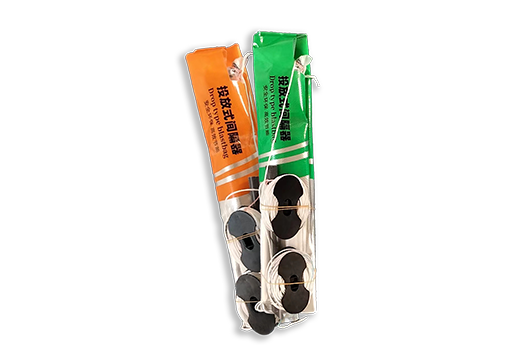
Deep-hole blasting presents unique physical challenges. As blastholes extend deeper—often exceeding 15 or 20 meters—the hydrostatic pressure and the sheer weight of the explosive column can cause significant issues. Without proper support, explosives can settle, slip, or become compacted, leading to unpredictable detonation velocities and poor fragmentation at the toe of the bench. "Drop-type" spacers have become the industry standard for mitigating these risks. Designed to be easily deployed and locked into position, these devices act as mechanical anchors, ensuring that the explosive column stays exactly where the blast design intends it to be. This precision is vital for controlling ground vibration and airblast, ensuring compliance with strict environmental regulations near residential areas.
Moreover, certain mining environments pose thermal threats that standard equipment cannot withstand. In self-heating sulfide ores or geothermal areas, borehole temperatures can rise drastically, risking premature detonation or the degradation of standard plastic components. high-temperature spacers, engineered from heat-resistant composite materials, provide a reliable solution for these extreme conditions. They maintain their structural integrity even when exposed to significant heat, ensuring that the air deck remains intact until the moment of detonation.


 中文
中文



 WhatsApp
 Phone
Phone
Comment
(0)